

Esports is growing rapidly in K–12 and college settings, and many educators are asking the same questions: What exactly is scholastic esports? Where do we begin? How do we manage it effectively? And how do we ensure it supports students beyond the game?
Education Service Center Region 13’s Esports Program supports districts across Central Texas as they build and strengthen scholastic esports opportunities for students in grades K–12.
How Does Esports Fit in a School Setting?
Esports is a subset of the video game industry that focuses on organized, competitive gaming. While esports can include individual matchups, it is often team-based and relies on coordination, strategy, communication, and quick decision-making.
In school settings, esports is intentionally structured with clear rules, scheduled practice and competition, coaching support, and expectations for sportsmanship, much like other extracurricular programs. Esports can foster teamwork, digital literacy, and student engagement while still aligning to campus expectations for academics and behavior.
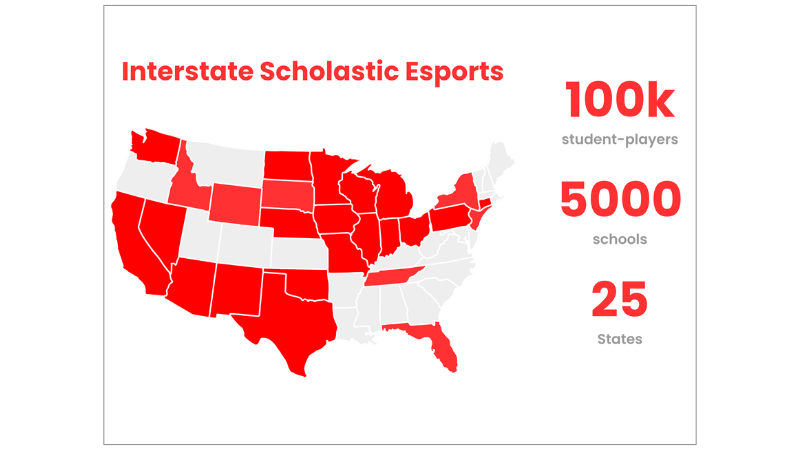
The video game titles featured in scholastic esports can shift from year to year. They often reflect what is most popular among students, are suitable for school settings, and are endorsed by established leagues. Many programs offer a mix of team-based and individual competitions across different genres. Districts may adjust titles based on student interest, available technology, and program goals.
Building an Esports Network
ESC Region 13 can help districts plan, implement, and develop a sustainable esports program. Whether you are just starting to explore esports or are looking to improve or expand existing programming, our goal is to provide clear next steps and practical support.
We can provide:
- guidance on starting small and building a sustainable program
- recommendations on structuring teams and seasons in a school setting
- coaching and program development for educators and sponsors
- tournament support and competitive opportunities for students
- help in addressing common hurdles, such as technology needs and community perceptions
Many schools treat esports like other extracurricular programs, with expectations such as “No Pass, No Play” reinforcing that participation is closely tied to academic success.
Why Districts Are Investing in Esports
Esports is not just for students who already join traditional activities. According to the Texas Scholastic Esports Federation (TexSEF), 60% of students on their school’s esports team report they have never been involved in any other school activity.
Attendance trends also indicate increased engagement. TexSEF reports that the average daily attendance of students in an esports program is higher than that of students who do not participate in extracurricular activities, and esports attendance is comparable to that of students participating in athletics, band, and choir.
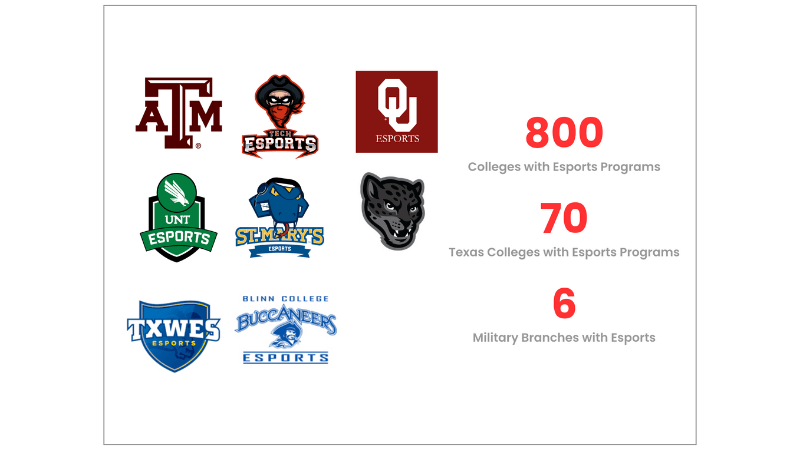
Esports growth is visible beyond the K–12 level. As of 2023, TexSEF notes that more than 800 colleges nationwide offer esports programs, including over 70 colleges in Texas. Six US military branches also have esports programs, reflecting the expanding reach of the gaming and interactive media industry.
Scholastic Esports Tournaments in Central Texas
As a tournament host, ESC Region 13 offers live, in-person events where high school students compete, build community, and qualify for the TexSEF State Finals. These events highlight sportsmanship, teamwork, and the excitement of structured competition.
Tournament play may include titles such as:
- Super Smash Bros. Ultimate
- Rocket League
- Fortnite
- Marvel Rivals
- Mario Kart 8
- Overwatch 2
- APEX Legends
- Street Fighter 6
- Madden
- Valorant
- Splatoon 3
Students consistently note that in-person competition creates a different kind of energy and connection. As one participant shared, “By far has been the most fun I’ve had at a tournament. In person, it’s a different vibe.”
How ESC Region 13 Supports Esports
Financial Assistance
Not sure how your district might fund an esports program? Grant opportunities may be available. Funding opportunities may also be available through 21st Century Learning Center grant programs and CTE TEKS-aligned funding.
To support educators, coaches, and students, ESC Region 13 hosts an Esports Network Meeting Series four times per year. This is a great opportunity to connect with our ESC Region 13 specialists and other educators who run esports programs in Region 13 and beyond.
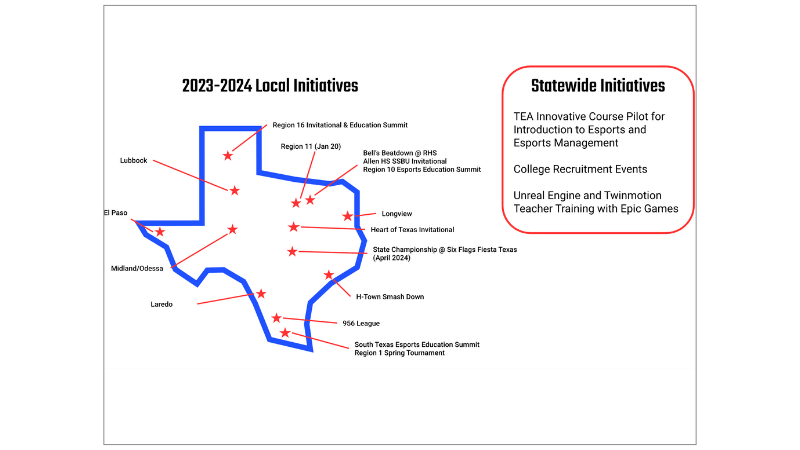
ESC Region 13 is proud to work closely with the TexSEF, the teacher-run nonprofit esports organization serving Texas schools. TexSEF staff regularly attend our Network Meetings and collaborate with us to bring high-quality esports programming, including tournaments and conferences, to educators in central Texas.
Esports Funding and Grants For Schools
Schools often face two common barriers when launching esports: setting up technology and the perception that esports is merely “just gaming.” ESC Region 13 helps districts plan for technology needs that vary by game title and supports messaging that highlights esports as a structured, skills-based activity.
Conclusion
Learn more about the ESC Region 13 Scholastic Esports program, upcoming network meetings, and tournaments by visiting our website or contacting John Shanks at john.shanks@esc13.txed.net.

Holly Zeiner is the Content Marketing Specialist at ESC Region 13.


Add comment