

A Conversation with Mrs. Jofee’ Tremain, Principal at East Fort Worth Montessori Academy
One of the most common questions Texas principals ask about T-TESS is this:
How do we move it from something we “have to do” into something meaningful that truly supports teacher growth?
As more districts across Texas use the Teacher Incentive Allotment to support performance-based pay and inspire teacher growth, the importance of T-TESS has only increased. When teacher compensation and professional growth are tied to instructional practice, it becomes even more critical that teachers truly understand the T-TESS rubric and can leverage it as a tool for self-reflection, goal setting, and continuous improvement.
For many campuses, however, T-TESS still feels like an afterthought or a compliance piece, something done for teachers rather than with them.
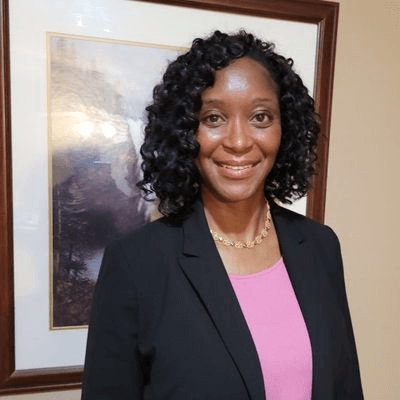
Mrs. Jofee’ Tremain, principal of East Fort Worth Montessori Academy, sat down with me to share how she has built a shared understanding of T-TESS on her campus—ensuring it is not an isolated evaluation system, but a living, breathing part of the school’s culture that supports continuous teacher growth. Her approach centers on clarity, joy, structure, and teacher ownership.
Effective Schools Framework Connection
The content of this blog supports ESF Lever 5: Effective Instruction
Building a Shared Understanding of T-TESS
Natalie Long:
One thing that really stood out when working with your teachers was how meaningful T-TESS feels on your campus. That’s an area many leaders struggle with. How have you helped teachers develop a shared understanding of T-TESS so it’s more than just something we do in May?
Mrs. Tremain:
When I first learned T-TESS, I remember thinking I was being asked to take this huge boulder and hand it to teachers in a way they were supposed to enjoy. And the reality is, no one enjoys being hit over the head with a giant research-based rubric.
I had to start with myself. I asked, “How do I enjoy learning this? How do I enjoy watching instruction through this lens?” Because if I enjoy it, I’m going to enjoy talking about it.
I invested time to truly learn it, memorizing and internalizing the process until the paper wasn’t needed. In any classroom, I could instantly connect what I observed back to T-TESS in a way that made sense for each teacher.
From there, I broke it down, domain by domain, descriptor by descriptor, and we lived it together. I would ask teachers, “What does this sound like in your classroom?” When they named it, I would say, “Great. You’re already doing that. Mark it.” Then we would underline what was missing and talk about the next steps.
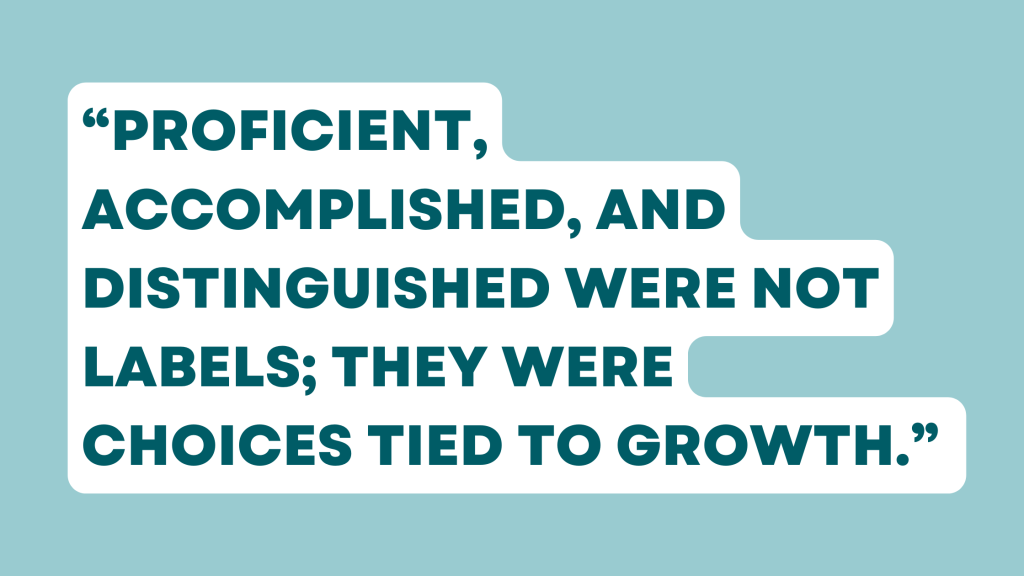
Teachers had agency. Where do you see yourself right now? Where do you want to grow? Proficient, accomplished, and distinguished were not labels; they were choices tied to growth. Teachers chose which practices they wanted to grow in and had clarity on how to improve.
Breaking Down the T-TESS Rubric Without Overwhelm
Natalie Long:
You talked about chunking the rubric and prioritizing pieces of it. How do you manage that, given how robust the T-TESS process is?
Mrs. Tremain:
I always start with the big picture. From there, we intentionally chunk it.
We might stay in self-reflection for a few weeks. Then we move to entering goals. Then we move to walkthroughs. Teachers are already engaged in this work daily, but if you don’t help them see how the process supports it, it doesn’t feel connected.
I also make it joyful. Every year, T-TESS is embedded into our campus theme. One year, it was Mission Impossible. This year, it’s Follow the Yellow Brick Road to Success. T-TESS is not separate from our culture; it’s part of it. It’s included in our ongoing staff professional development, learning labs, and PLCs.
Learn how to engage your staff for the year ahead with the Back-to-School Blueprint for a Positive School Culture training.
I make it a big deal and roll it out like a premiere. I tell teachers what is coming next in our T-TESS work, why it matters, and how it supports what they already do. There are no surprises.
Teachers receive tools right away, and we walk through them together. We keep documents we discuss in their teacher journals, and I also archive them in our staff newsletter. Everything lives in one shared space, so teachers can always revisit and refresh.
Using Learning Labs to Support Ongoing T-TESS Coaching
Natalie Long:
You use Learning Labs as part of this process. What do those look like?
Mrs. Tremain:
Learning Labs are a flexible support time. After we introduce something in PLC, teachers can come in with real work they’ve already tried for ongoing support and feedback.
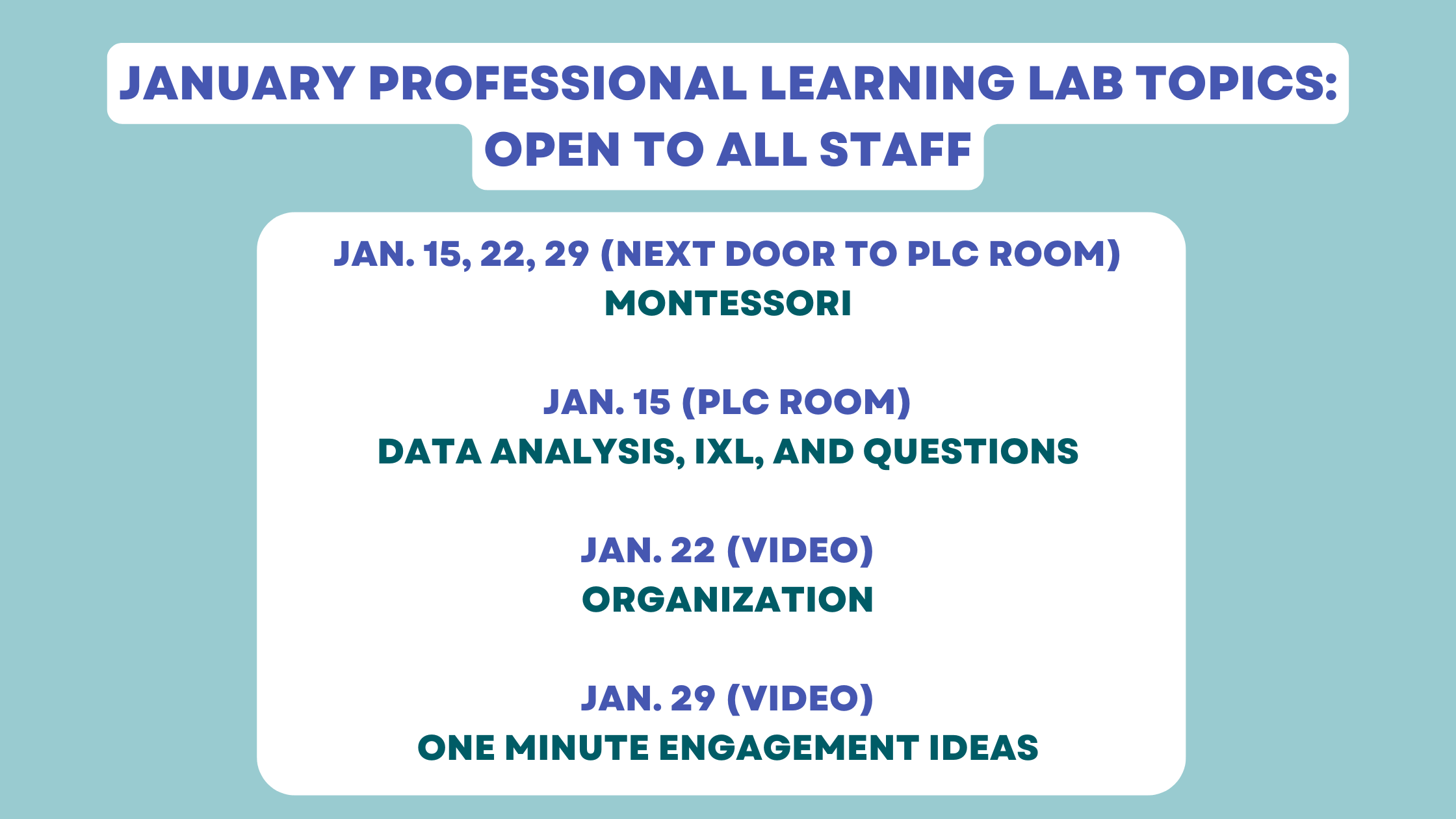
They bring their goals, their evidence, or an artifact. My rule is this: come in with your thinking first. Show me that you’ve tried, and I’ll support you with your questions. This is about empowering teachers to live T-TESS, not me handing out answers.
Some teachers stay for fifteen minutes. Others stay longer. Some listen and learn from others. It’s a comfortable environment where questions are welcome.
All resources are linked, so teachers can revisit them at any time.
Goal Setting That Makes T-TESS Actionable
Natalie Long:
Goal setting is an area many appraisers struggle with. How do you keep goals meaningful?
Mrs. Tremain:
I keep it simple: simplify to amplify.
Teachers set one professional goal and one personal goal. The professional goal has to be specific to their practice. They might start with an idea like, “I want to grow in questioning.” We use coaching questions, data, and the rubric to narrow it down.
Teachers have a copy of the T-TESS Skill Dimension Crosswalk, which we use to see how their goal aligns with the rubric.
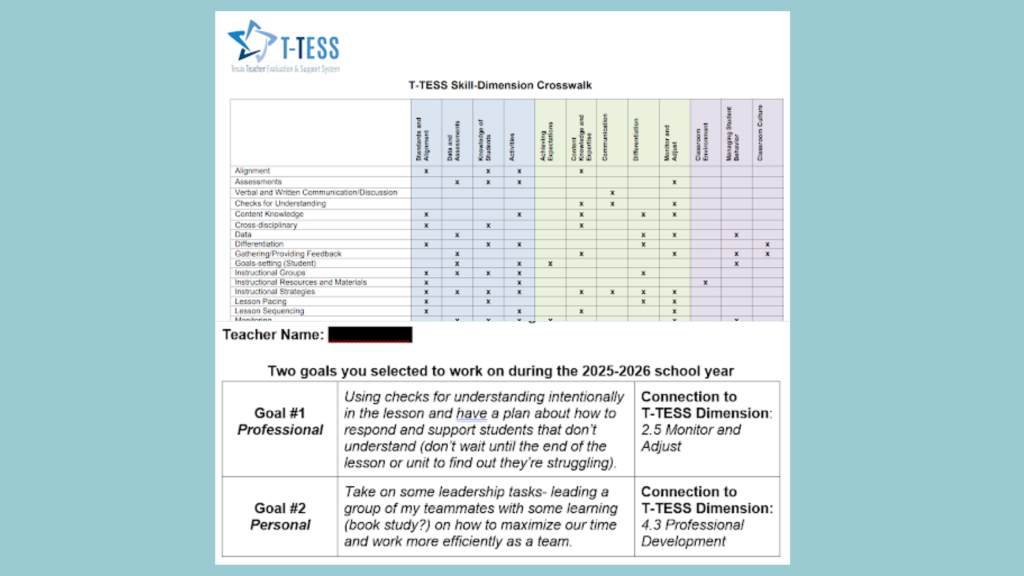
When a goal is that specific, teachers remember it because they built it.
I track goals in a spreadsheet, but I don’t worry about memorizing everyone’s goals. That’s not my job. My job is to support growth. I ask, “How is your goal going?” If they don’t know, that’s a point for reflection. Teachers need to own their growth. We all own our own growth.
Using Checklists to Reduce Cognitive Load in T-TESS
Natalie Long:
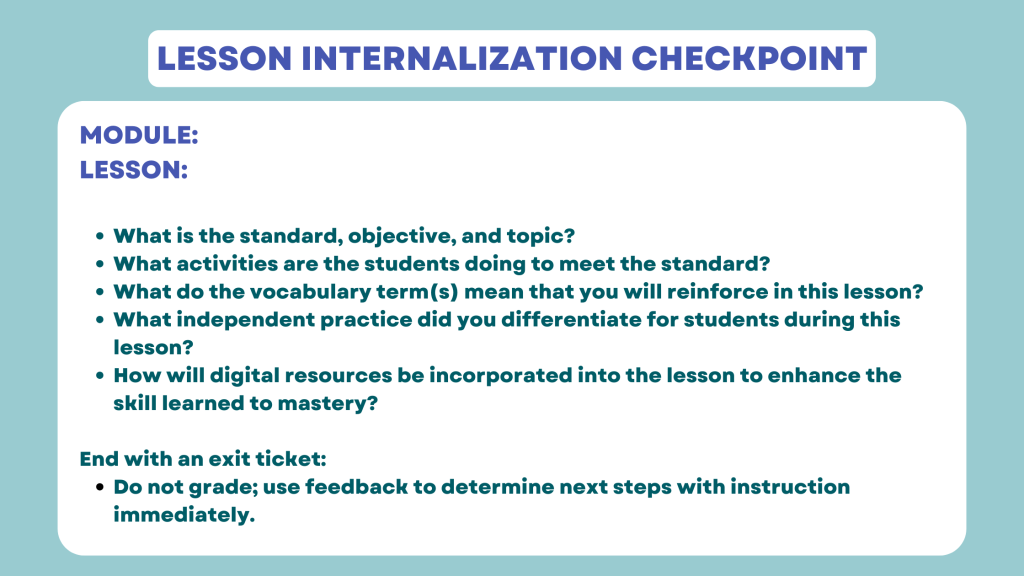
You use checklists often. You shared that you developed one based on teacher practices in Alternate Domain 1: Lesson Internalization. What role does that play in helping teachers improve their practice?
Mrs. Tremain:
Checklists reduce cognitive overload. Everyone uses them, not because they don’t know what to do, but because there’s a lot to manage.
We have readiness checklists tied to instruction and preparation. Teachers self-assess their current reality and identify next steps using T-TESS language.
Early on, I introduce the checklist, model it, and give feedback. Over time, I step back and let teachers lead it. At that point, it becomes their tool. If I continue to own it, it becomes micromanagement.
Building a Strong T-TESS Foundation Before Formal Observations
Natalie Long:
You’ve shared that you do formal observations primarily in the spring because you spend the fall laying a strong foundation with teachers. What does that fall work look like?
Mrs. Tremain:
From the very first day of school, teachers know that T-TESS has started, but not in a scary way. I tell them right away that my walkthroughs begin on day one because students are present.
Early on, I’m mostly looking for preparedness and professionalism, Domain 4. Teachers are already demonstrating that work, so I show them where they are already meeting the rubric.
Evaluation doesn’t start with a formal observation. It starts with how we show up every day.
Before I ever give written instructional feedback, we spend time calibrating together. I show teachers the walkthrough form, we practice using it, and we watch instructional videos and discuss what we see using rubric language.
Teachers even evaluate me during PLCs. I ask them to give me feedback using the rubric and push them to identify growth points, not just strengths. That practice builds trust and comfort with the language.
Early in the fall, my feedback is verbal. Once teachers are comfortable, I move into written walkthrough feedback. Eventually, we transition to the full digital T-TESS forms, but by then, the language is familiar.
Every coaching conversation goes back to the rubric. I want teachers to see it, touch it, and reference it themselves. Those first nine weeks are about helping teachers internalize how the rubric shows up in daily practice.
By the time we reach spring and begin formal observations, the conversations aren’t long or stressful. Teachers already know where they are, what I’m looking for, and how feedback connects to their goals.
T-TESS is not something we turn on for an observation window. It’s continuous coaching. PLC conversations, walkthrough feedback, goal check-ins, and reflections are all connected. When formal observations happen, they are simply a deeper look at work we have already been doing together all year.
How to Make T-TESS Meaningful
Natalie Long:
If you had to give one piece of advice to a new principal trying to make T-TESS meaningful, what would it be?
Mrs. Tremain:
Start with the calendar.
Backward design everything: district timelines, campus expectations, teacher deadlines, and student evidence. If you rush T-TESS, people will assume you don’t care about it.
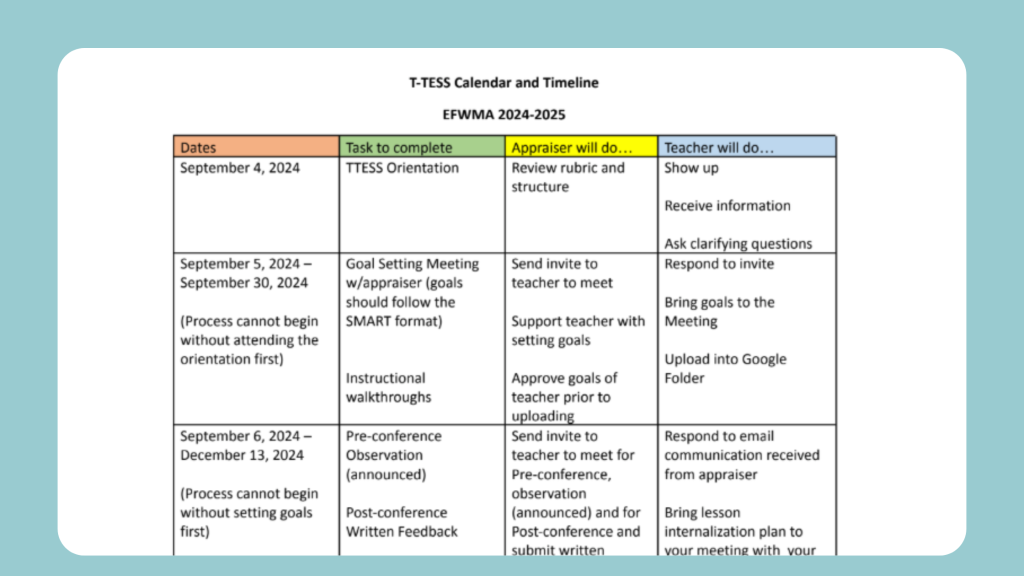
Then find a way to make it enjoyable. Tie it to who you are. Teachers shouldn’t be afraid of the tool. It’s a beautiful tool when used as intended.
As you plan, chunk the rubric in meaningful ways that allow you to give targeted feedback at the right time of year. On our campus, we begin with Domain 4, then move to Domain 1 (Planning and Lesson Internalization), followed by Domain 2 (Instructional Practice) and Domain 3 (Learning Environment).
Final Reflection
What stands out most about Mrs. Tremain’s approach is not a single strategy or structure, but the way T-TESS is fully infused into the life of the campus. It is not treated as a separate initiative or an evaluation event. Instead, it informs PLC conversations, shapes embedded staff learning, and anchors coaching conversations throughout the year.
Coaching is prioritized with intention. Time is protected for feedback, reflection, and growth. Teachers are supported in understanding the rubric, calibrating their practice, and using T-TESS language to reflect on their instruction.
Each year, T-TESS serves as the primary driver of the campus’s work, not an afterthought added at the end of the year. When leaders commit to making T-TESS empowering and engaging for teachers, it becomes what it was always intended to be: a tool that supports professional growth, strengthens instruction, and ultimately benefits students.
Free Resources for Principals
- Editable T-TESS Calendar for staff (for staff notebooks)
- Editable Lesson Internalization Planning Form
- Editable T-TESS Professional Learning Reflection (Summative Conference)
- Sample slides for Instructional Planning Calendar_PLC Guide

Natalie is an Educator Evaluation and Leadership Administrative Specialist at ESC Region 13.



Add comment