

In “Building a Curious School,” author Bryan Goodwin from The McREL Institute at ESC Region 13 observes that students experience greater well-being, goal orientation, and motivation when they engage in a worthwhile passion that gives their lives meaning. However, for many students, telling them to find their life’s passion can feel overwhelming. They may not feel like they know what they’re really passionate about yet. In this article, we examine how to use an interest inventory to engage student learning and identify potential pursuits.
Learning More About Your Students
Rather than asking students what they’re passionate about, teachers can ask them to identify their interests. These can be things they enjoy doing and want to explore more. Over time, such interests can grow into passions worthy of pursuit and that provide the joy of discovery or accomplishment of a goal.
The beginning of the school year is a perfect time to learn more about students’ interests. One way to do so is by using a student interest inventory. This is a brief survey teachers can use with their students to get to know their academic and extracurricular interests. Once a teacher knows more about their students, they can plan lessons and activities that tap into these interests and help their students make personal connections with their learning.
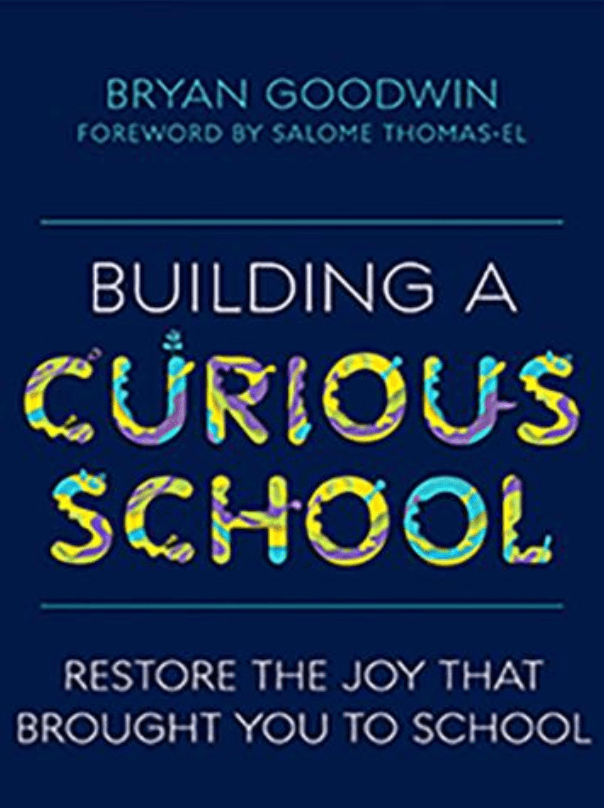
Building a Curious School: Restore the Joy That Brought You to School
Rekindling wonder in schools can make learning better, encourage students to get involved, help grow good leaders, and prepare everyone to have happier lives.
Building a Curious School uncovers the many subtle ways in which formal education seems to hinder our natural curiosity.
Get your own copy and restore your joy!
Student Interest Inventory
This sample student interest inventory includes some questions teachers can pose to their students to help identify their interests. Teachers can modify this list of questions to best fit their specific grade level or subject area, their local community contexts, and student needs.
Sample Student Interest Inventory Questions
- What subjects or classes do you most enjoy in school?
- What topics/subjects/skills have you really enjoyed learning about in school?
- What skill have you taught yourself, on your own, outside of school?
- What was the last thing you felt curious enough about to investigate on your own?
- What kind of books, magazine articles, blogs, or websites do you read, or podcasts do you listen to, for enjoyment?
- If you could ask a remarkable person for advice, who would it be? What would you ask?
- Which of these challenges do you find most engaging? Rank them in order from 1 to 10:
- Figuring out how things work to fix them (electronics, cars, appliances).
- Understanding what makes people tick (their motives, experiences, values).
- Engaging in creative, imaginative thinking (creating a story, song, recipe).
- Helping others with problems (relationships, health, emotions).
- Working with numbers and statistics to analyze information or solve problems.
- Practicing hard to get good at something.
- Exploring deep questions (about the universe, the meaning of life, society).
After students answer these questions, invite them to review their answers, looking for themes that reveal their natural curiosity—the things that make them curious, motivated, and excited to learn.
Curiosity Quests
Next, ask students to write down three curiosity quests they’d like to explore in the next three months. These quests can be topics they want to learn more about, skills they want to improve on, mysteries or puzzles they want to solve, or challenges they want to overcome, to name a few. If you can then find ways to connect lessons and units with your students’ interests, they’re more likely to become engaged and interested in learning and maybe even experience joy and excitement in their studies.
Student interest surveys aren’t the only way to get to know your students’ interests, but they can be helpful. If you have a different favorite way of identifying your students’ interests, let us know using the Comment box below.
Additional Resources
Find out more about the McREL Institute at ESC Region 13 on our website. Go to the ESC Region 13 blog for additional articles on Strategic Instruction.
Note: This article was originally published on the McREL Institute blog on August 14, 2023. It was revised for the ESC Region 13 blog in September 2026.

Bryan Goodwin is the Deputy Executive Director for the McREL Institute at ESC Region 13.



Add comment